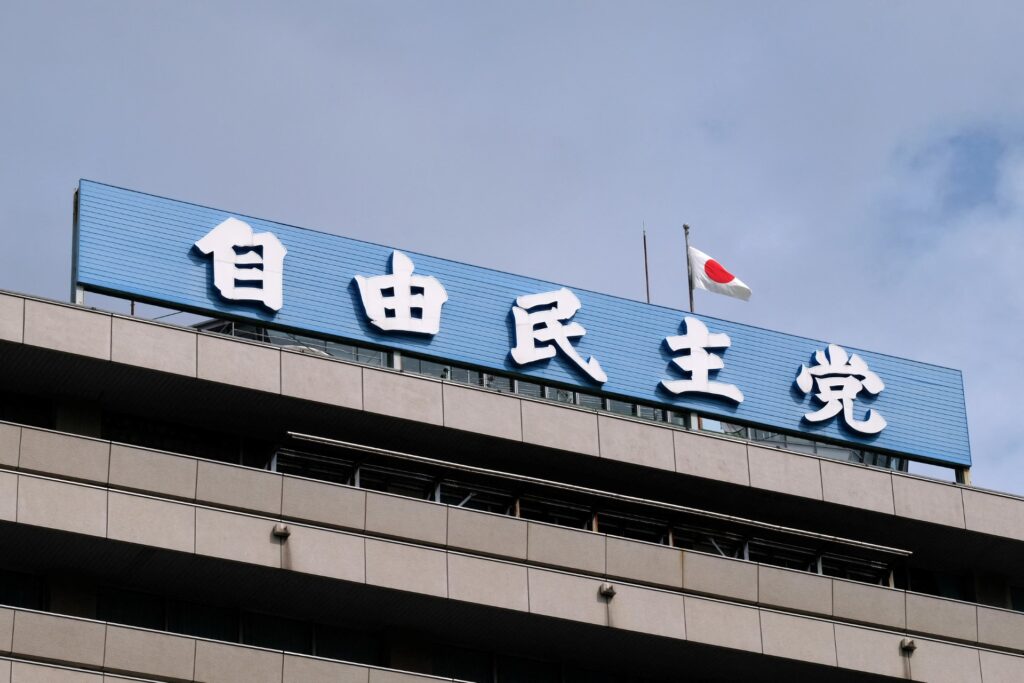
Japan’s ruling Liberal Democratic Party (LDP) is considering revisions to the country’s defence export framework that would expand the scope of weapons eligible for overseas transfer, sparking divisions among lawmakers over how far Japan should go in relaxing its long-standing restrictions.
After the Second World War, Japan maintained a near-total ban on arms exports. The so-called Three Principles on arms exports effectively prohibited the overseas sale of military equipment. However, the three principles were revised in 2014 to permit limited transfers under strict conditions, particularly for joint development and non-lethal systems. Exports of highly lethal weapons have remained heavily constrained and politically sensitive, despite continuous arguments for the relaxation of such policies amidst military tension in East Asia.
The current discussions centre on potential revisions to the Three Principles on the Transfer of Defence Equipment and Technology, which govern Japan’s arms exports. Under proposals currently being examined, the range of defence equipment that could be exported would broaden. At the same time, systems classified as highly lethal would require approval from the National Security Council (NSC), composed of the prime minister and key cabinet ministers.





Be First to Comment