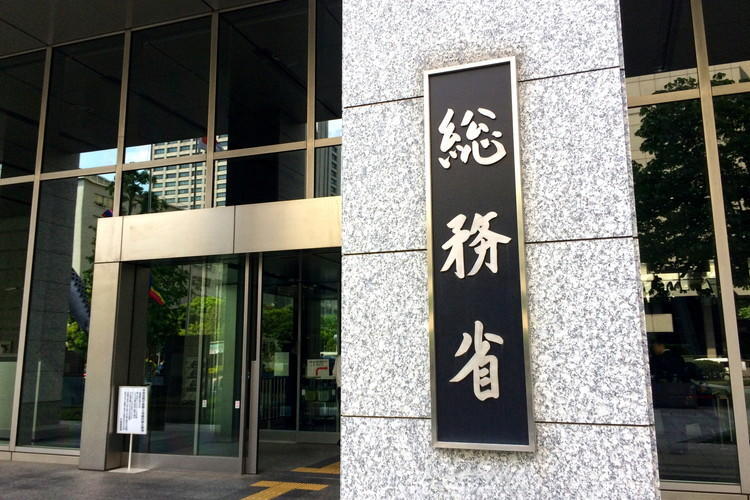
Consumer inflation in Tokyo eased for the first time in four months in February, as government subsidies and lower fuel taxes pushed energy prices sharply downward, according to preliminary figures released Tuesday by the Ministry of Internal Affairs and Communications.
The Consumer Price Index (CPI) for the Tokyo metropolitan area’s 23 wards excluding fresh food, which is prone to volatile price swings, rose 1.8% from a year earlier, reaching an index level of 110.5.
The increase slowed from January’s 2.0% rise and marked the first time since October 2024, or one year and four months, that the core CPI fell below the Bank of Japan’s 2% target.
Energy Prices Drag the Index Lower
Energy Prices Drag the Index Lower
Energy prices tumbled 9.2% year‑on‑year, exerting significant downward pressure on the overall index.
Electricity fees fell 8.2%, while city gas prices dropped 9.5%, with both categories posting a wider decline than the previous month.
Gasoline prices plunged 14.7%, largely due to the elimination of the provisional gasoline tax that took effect earlier this year. The government’s ongoing subsidies to curb electricity and gas bills also contributed to the decline.
The combination of these measures helped slow inflation despite continued price increases in food and other household necessities.
Food prices continue to rise
Food prices, excluding fresh products, increased by 5.5%. Within this category, the price of rice rose by 18.2%, remaining at historically high levels even as the rate of increase slowed. Ready-to-eat items also experienced a significant rise.
- Onigiri increased 13.3%
- Sushi rose 16.2%
Meanwhile, coffee bean prices surged an extraordinary 64.0%, driven by adverse weather conditions in major producing countries. This rise reflects ongoing global supply disruptions that continue to elevate prices for import-dependent markets.
A Key Indicator for Japan’s National Price Trends
Tokyo’s Consumer Price Index (CPI) is closely monitored as it acts as a leading indicator for inflation across the entire country. The core index, which excludes volatile fresh food prices, is particularly significant for assessing underlying price trends.
The slowdown observed in February may signal a shift in inflation dynamics, as the Bank of Japan considers its upcoming policy decisions, including when and how to adjust its long-standing accommodative stance.
Economists will be observing whether the decline in Tokyo’s inflation will extend to the rest of the country when national CPI figures are released in the coming weeks.





Be First to Comment